
As we near the end of the year, a familiar buzz begins to fill the air: the pressure (and opportunity) of strategic planning season.
Personally, I’ve had years where I’ve felt laser-focused and full of ideas… and years where “strategic” felt like a stretch and “winging it” was the reality.
But this year, I’m heading into 2026 with a feeling of confidence.
Not because I’ve suddenly discovered a magic formula or because everything went exactly according to plan in 2025 (spoiler alert: it didn’t). But because I had a conversation last week that gave me a powerful new perspective on planning—and the clarity to make mine meaningful.
Here's how.
The GPS vs. the Compass
During a recent roundtable chat with a few trusted colleagues, we swapped strategies for how we approach annual planning.
My friend Brian Pultro—who I’ve nicknamed the “uber-planner”—shared his framework. Now, Brian is a financial planner by trade, so you’d expect structure from him. But this wasn’t about spreadsheets or profit margins. It was about thinking like a leader with a long game.
(Maybe that’s why he’s so good at what he does – he helps his clients plan for their financial futures the same way.)
Brian and I both have 10-year goals. The difference? I’ve historically treated mine like a compass—pointing me in the right direction. Brian treats his like a GPS coordinate—with turn-by-turn instructions starting now.
Naturally, I asked him to share the method behind his magic. And not only did he generously walk me through it—he gave me permission to share it with you.
If you’re ready to take a smart, thoughtful approach to your 2026 planning, Brian’s framework is gold.
The 2026 Planning Framework You’ll Want to Steal (But don’t have to)
Brian breaks his process into a few key categories, each starting with high-level reflection, then drilling down into strategic, practical steps. Here’s how he does it:
1. Annual Reflection: Four Big Questions
Start by assessing where you are:
- Was I satisfied with my work/life balance in 2025?
- What worked this year—and what didn’t?
- Where could I be more efficient?
- Is my revenue on track to meet my 3- and 5-year goals?
This creates a foundation of honest self-awareness (and avoids the trap of setting goals that are disconnected from reality).
2. Evaluate Innovations
Look back at what you tried this year—then get surgical about what stays or goes:
- What new things did I try?
- Did they work? Why or why not?
- Should I refine them, keep them, or ditch them entirely?
- What new ideas do I want to test in 2026?
- What’s the timeline for implementation?
This isn't just about chasing the next shiny object—it’s about learning from experimentation.
3. Delegation and Automation Audit
In order to scale my business or capacity, and/or reduce burnout, ask the following:
- What can I automate?
- What can I delegate?
- Is the time saved worth the cost?
- How do these decisions affect my work/life balance?
Whether you're a solopreneur or a Fortune 500 exec (or a parent!), this is how you reclaim your time—and your sanity.
4. Revenue Reality Check
This is where inspiration meets data:
- Why is revenue growing (or not)?
- What’s working in my business strategy?
- What’s getting in the way?
- Where do I want to be in 3 to 5 years?
- What needs to happen today to make that future a reality?
It’s not about wishing. It’s about aligning today’s actions with tomorrow’s goals.
Bonus: Team Alignment Tool
If you lead a team, Brian also uses a simple year-end survey that offers powerful insight for strategic planning. Here are some of the prompts his team answers individually, and then debriefs collectively:
- What are two things we did well this year?
- What are two things we could have improved?
- Where can we become more efficient?
- What would you like to see changed in 2026?
- What events or initiatives should we prioritize?
- Are we missing anything critical?
- What aren’t we doing that we should be?
- What’s working really well that we should double down on?
- Other comments or concerns?
Think of it as a team debrief that goes beyond “performance review” and taps into collective intelligence. It builds psychological safety and provides direction.
Need some help facilitating deep-dive conversations with your team around these topics? Feel free to drop me a line.

But Planning Alone Isn’t Leadership
Here’s the kicker: Having a plan is good. But having a voice that can lead people through that plan? That’s what makes it leadership.
I had the chance to speak about this in depth recently on the Business Emergency Podcast with Maartje van Krieken.
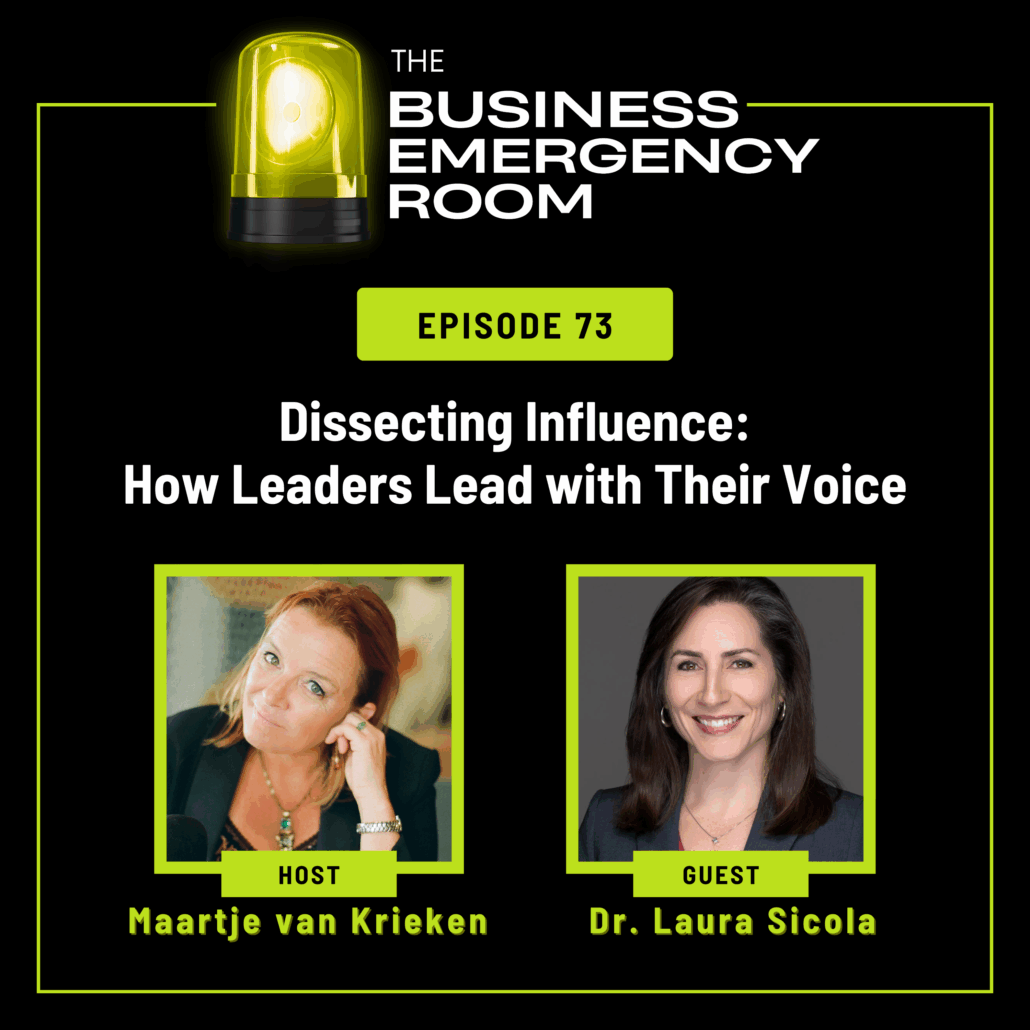
We dug into the uncomfortable truths that many leaders avoid—especially when strategic communication is involved:
- How executive influence is a long game rooted in trust, not quick compliance
- When “authenticity” becomes self-indulgent oversharing
- Why “speaking your truth” doesn’t mean dropping verbal grenades into the room
- How your reaction to feedback may contradict your “open door” message
- The daily discipline of leading through communication, not performance
Whether you’re mapping out a business strategy or announcing a new initiative, your ability to clearly communicate your message content and intent is what makes your plan more than a pretty slide deck.
Watch or listen to the podcast episode on YouTube, or listen to the episode on Apple or Spotify.
Ready to Turn Your Plan into a Shared Mission?
Let’s be honest—even the best plan is worthless if no one’s on board to bring it to life.
It’s one thing to build the plan. It’s another to get people to buy into it and execute it well.
The difference between ending 2026 this time next year with nothing to show for it but a list of cool-sounding, unfulfilled goals… and ending the year celebrating real wins as a team is in whether or not you can
- inspire your team to answer those end-of-year surveys openly and quickly
- facilitate conversations that turn strategy into shared commitment, and
- communicate in a way that makes people think: “Yes. I want in”…
If you could use some support in any of these areas to ensure you are leading through them with clarity, confidence, and authenticity—let’s talk.
Full Circle: What Will Make This Year Different?
Here’s why I’m feeling confident about the upcoming year: I’m using my GPS.
So whether you’re a solo founder, a middle manager, or sitting in the C-suite, I invite you to ask yourself:
Are you using a compass… or a GPS?
As Brian would likely say: Set the goal, plan the long game, follow the plan.
And if that’s not leadership in action, I don’t know what is.